- 2025-11-06
Conventional Filtration vs Ultrafiltration
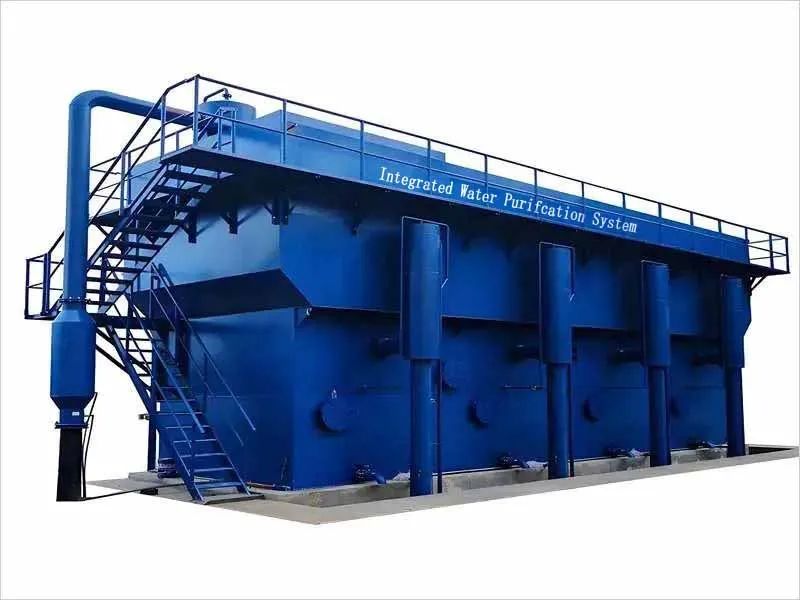
Traditional filtration process chain
For pollutants such as turbidity, color, iron and silica in drinking water sources, a five-stage treatment unit needs to be fully constructed:
Coagulation (adding aluminum salt/iron salt coagulant)
Flocculation (forming alum flowers that can settle)
Sedimentation (gravity separation of suspended solids)
Sand filtration (retaining particles ≥ 20 microns)
Disinfection (chlorine/ultraviolet inactivation of pathogens)
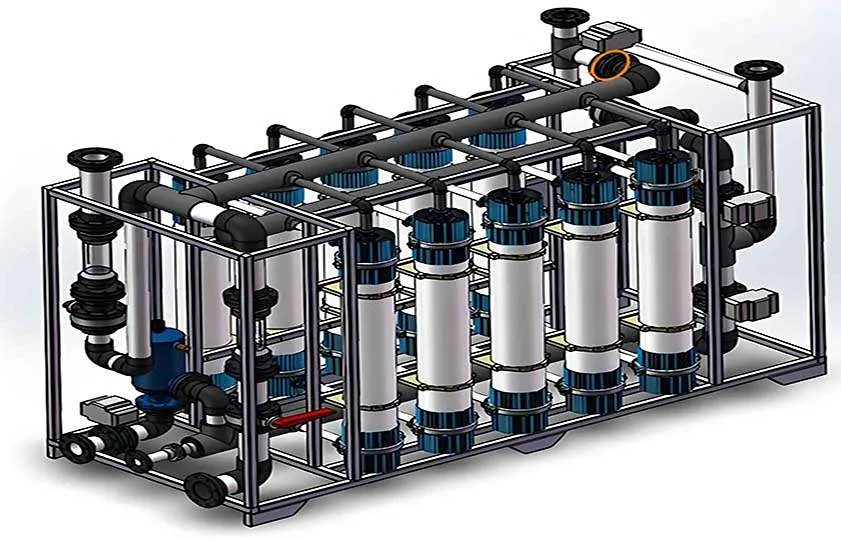
Ultrafiltration (UF) core technology principle
Using hollow fiber membranes with a molecular weight cutoff of ≥ 10,000 Daltons, the following is achieved through a screening mechanism:
Efficient removal of bacteria, colloids and macromolecular organic matter
Selective separation of protein/dye components (such as electrodeposition paint recovery)
Operating pressure is 60% lower than nanofiltration (NF)
Project implementation pain point analysis
Traditional processes have inherent defects:
Land requirements: sedimentation tanks/flocculation tanks occupy 40% of the plant area
Chemical dependence: annual Coagulant consumption reaches 3-5 tons/thousand tons of water
Solid waste problem: backwash sludge accounts for 5-7% of the treated water volume
Disinfection by-products: risk of trihalomethane generation by chlorine disinfection
Technical advantages of ultrafiltration system
Process innovation
Single-stage membrane filtration replaces coagulation/sedimentation/sand filtration three-unit
Turbidity control ≤0.1NTU, iron content ≤0.01ppm
Operation efficiency
Energy consumption is reduced by 35% compared with traditional processes (0.2-0.3kWh/m³)
Recovery rate ≥95%, sludge reduction 80%
Economic efficiency improvement
Land occupation is reduced by 50%, infrastructure cost is saved by 40%
Membrane life ≥5 years, chemical cleaning cycle >90 days
Typical industrial application scenarios
Electrophoretic coating: realize paint-washing water dual-flow recovery
Drinking water quality improvement: direct filtration of surface water (no pre-precipitation required)
High-silicon water quality treatment: interception of colloidal silicon to prevent subsequent membrane pollution