- 2026-02-04
How Does Reverse Osmosis Work?
Reverse osmosis, commonly known as RO, is a water purification technology that has become widely popular for its effectiveness in removing contaminants from water. But what exactly is reverse osmosis, and how does it work? This article explains the basics of RO, its benefits, and important considerations such as cost, maintenance, and health impacts. Whether you are interested in changing filters on a reverse osmosis system, wondering "does reverse osmosis remove lead?", or evaluating the cost of reverse osmosis, we cover all these topics.
What is Reverse Osmosis (RO)?
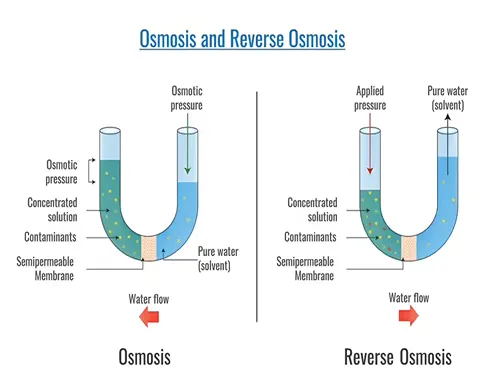
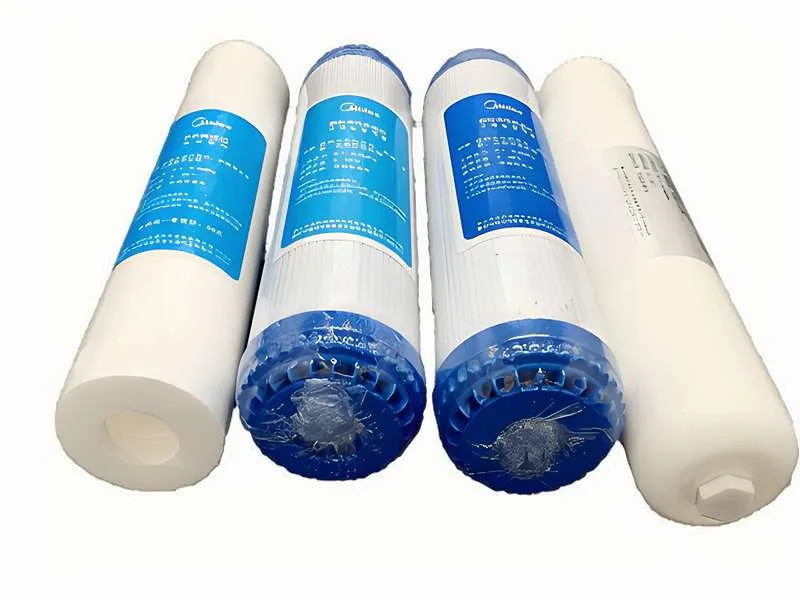
Reverse osmosis is a process that forces water through a semi-permeable membrane to remove impurities such as dissolved salts, bacteria, chemicals, and heavy metals. Unlike natural osmosis, where water moves from a less concentrated solution to a more concentrated one, RO uses pressure to reverse this flow, leaving contaminants behind. A typical RO system includes several stages: a pre-filter, the RO membrane, a post-filter, and often a tank for storing purified water.
Learn More:What is a Reverse Osmosis System and How Does It Work?
How Does Reverse Osmosis Work?
The primary function of an RO system is to purify water by eliminating up to 99% of contaminants. This includes chlorine, fluoride, pesticides, nitrates, sulphates, and heavy metals such as lead and arsenic. Many people ask, "does reverse osmosis remove lead?" – the answer is yes. The RO membrane effectively traps lead particles, ensuring the output water is safe and clean. Regular maintenance, such as changing filters on reverse osmosis systems, is essential to maintain this high level of performance.
What is RO Water?
RO water refers to the purified water produced by a reverse osmosis system. It is typically free from most contaminants, minerals, and impurities, resulting in clean, clear, and great-tasting water. Because of its purity, RO water is commonly used for drinking, cooking, aquariums, and commercial applications.
Can reverse osmosis remove lead?
Reverse osmosis (RO) technology effectively removes heavy metals such as lead from water, ensuring the safety of household drinking water. Its core principle is the use of a reverse osmosis membrane with a pore size of only 0.0001 micrometres, which allows water molecules to pass through under pressure while retaining metal ions such as lead, arsenic, and mercury. The reverse osmosis system can achieve a lead removal rate of 96%–99%.
Key points of this technology for lead removal include:
High-efficiency filtration: The pore size of the RO membrane is much smaller than lead ions and common bacteria, effectively blocking their passage and making it an ideal solution for addressing lead contamination in drinking water.
Multi-stage purification: In addition to the reverse osmosis membrane, RO systems are often equipped with carbon block filters, which work together to adsorb and remove various heavy metal impurities.
Health protection: By thoroughly purifying water in pipes that may contain lead, the RO system significantly reduces the health risks associated with long-term lead exposure.
Maintenance recommendations: To maintain stable water purification performance, it is recommended to regularly replace the RO membrane and pre-filters.
Using a reverse osmosis water purifier provides consistently cleaner and safer drinking water, effectively preventing the harmful effects of lead and other substances on health.
Is Reverse Osmosis Water Good for You?
Yes, RO water is generally considered safe and beneficial for consumption, especially in areas with poor water quality. By removing harmful contaminants such as lead, chlorine, and bacteria, it reduces the risk of waterborne illnesses and long-term health issues. Many people prefer RO water for its neutral taste and purity.
Is Drinking Reverse Osmosis Water Bad for You?
One concern about RO water is that it also removes beneficial minerals such as calcium and magnesium. However, for most people, a balanced diet provides sufficient minerals, so drinking RO water is not harmful. Some advanced RO systems include remineralisation filters to add essential minerals back into the water, addressing this concern.
How Much Does RO Cost?
The cost of reverse osmosis varies depending on the system type, installation, and maintenance. A basic under-sink RO system can range from $200 to $500, while more advanced models with additional features may cost $600 or more. It is important to consider ongoing expenses such as replacing filters, which typically costs $50–$150 annually. Despite the initial investment, many people find the long-term benefits – such as safer drinking water and reduced reliance on bottled water – justify the cost of reverse osmosis water.
Choosing a Good RO System
When selecting a good RO system, consider factors such as the number of filtration stages, water output rate, tank capacity (as RO tank size affects storage), and certification standards. Look for systems that are easy to maintain, with accessible filters and clear instructions for replacing them. Customer reviews and professional recommendations can also help you make an informed decision.
Conclusion
Reverse osmosis is an efficient and reliable method for purifying water, offering numerous health and practical benefits. From removing harmful contaminants like lead to providing clean, great-tasting water, a good RO system is a valuable addition to any household. While the cost of reverse osmosis may require an initial investment, the long-term advantages make it a wise choice for ensuring safe, high-quality drinking water.
If you have any further questions about Reverse Osmosis (RO), please feel free to contact us.
You might alsl like:
Can reverse osmosis remove fluoride from water? How to remove it?