- 2025-12-18
How To Purify Lake Water for Drinking(Home, Commercial,and Industrial)
Common drinking water sources, such as well water, river water, and lake water, are all surface water. Many municipal water supply systems and community projects, particularly in countries lacking underground resources due to geological conditions, tend to use these surface water sources to provide residents with clean and safe drinking water. Drinking lake water directly without treatment poses health risks; therefore, purifying lake water is not only a basic survival need but also crucial for long-term health and safety.
This article will explain in detail the system components, core filtration principles, and solutions for purifying lake water.
What Is Lake Water? What Does Lake Water Consist Of?
Lakes gradually form when water accumulates in relatively enclosed low-lying terrain, such as depressions or valleys. The amount of water replenishing a lake far exceeds the amount lost through evaporation. Lakes are continuously replenished by rainwater, river water, snowmelt, or groundwater, thus creating a stable body of water.
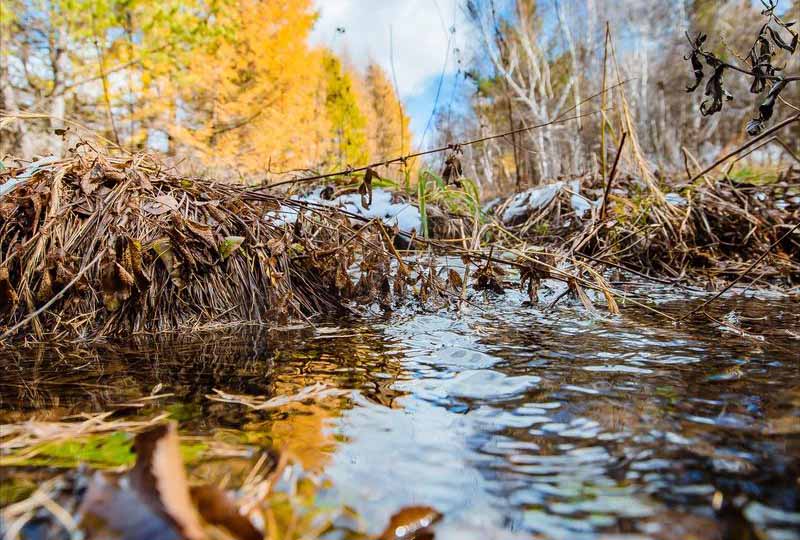
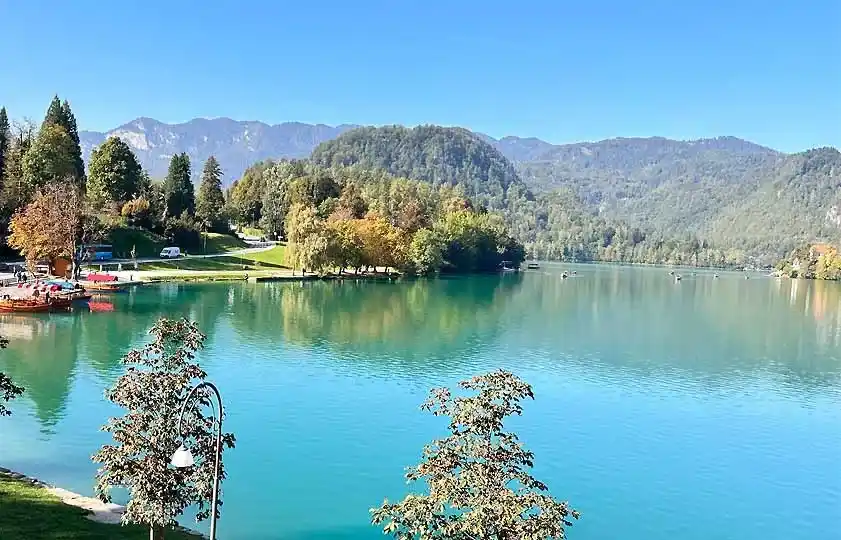
Lake water contains a variety of natural substances and some pollutants. Natural components of lake water include minerals such as calcium, magnesium, potassium, sodium, and iron; organic matter such as plant decomposition products, aquatic plants and algae, animal remains, and various microorganisms (including bacteria, viruses, and parasites). While these natural impurities do not directly cause harm, lake water does pose a risk.
Is lake water drinkable?
The answer is "no." Regardless of how clean it appears to the naked eye, it should not be consumed directly without treatment. The risks associated with lake water are greater than you might expect. Even in unpolluted high-altitude lakes, where the water quality is close to that of mineral water, there is still a risk if the water has not been tested. Therefore, lake water must be treated before drinking to meet World Health Organization (WHO) drinking water standards. The table below outlines the main pollutants found in lake water and how to treat and filter them.
How Should Lake Water Be Treated Before Drinking?
Lake Water Treatment And Filtration Process
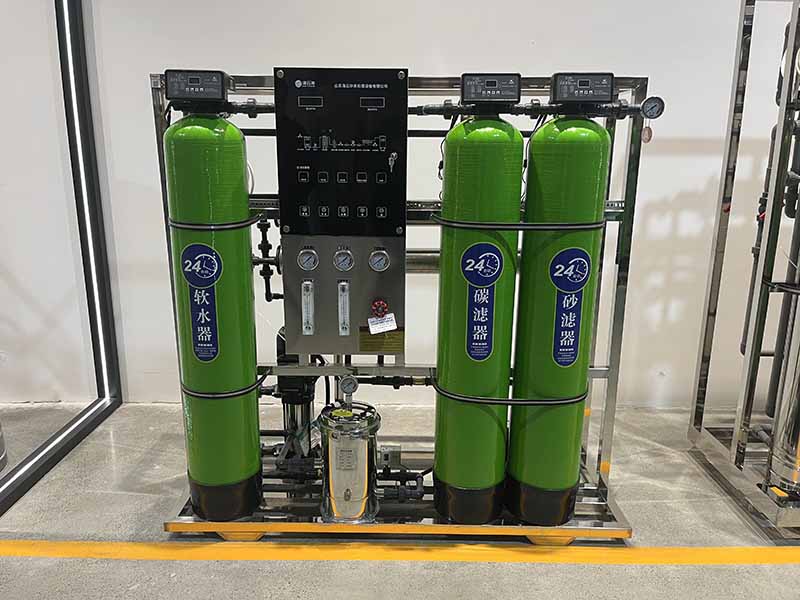
Compared to groundwater, lake water is more complex, so the treatment process is more intricate. A typical water treatment process includes: screen or grid filtration – coagulation and sedimentation – sand filtration – activated carbon filtration – precision filtration – (softening or chemical dosing, optional) → reverse osmosis – disinfection.
The water treatment process should be tailored to the customer's intended use. For clarity, we categorise the basic processes for different purification levels into three types:
Type 1: Basic Water Purification
Basic water purification involves processes from screen or grid filtration to sand filtration, used to remove branches, silt, algae, suspended solids, and large particulate impurities from lake water. It is suitable for applications with low permeability requirements and large treatment volumes, such as landscaping and irrigation.
Type 2: Medium Water Purification
Medium water purification covers processes from screen or grid filtration to precision filtration of impurities between 5 and 1 micron, removing sediment and turbidity from lake water. Activated carbon filtration is used to remove colour, odour, and organic matter.
This process can remove most algae, bacteria, and particulates, thereby protecting the reverse osmosis membrane. Microfiltration or ultrafiltration membranes provide fine filtration.
Type 3: Advanced Water Purification
Advanced water purification includes the entire process from coarse filtration to disinfection, primarily using a reverse osmosis system. Reverse osmosis membranes can remove over 99% of dissolved solids, including heavy metals and chemical pollutants. Combined with ultraviolet sterilisation and ozone disinfection, this process ensures the removal of bacteria and viruses, achieving safe water quality.
How To Choose the Right Lake Water Treatment Process?
1. Outdoor Emergency
For outdoor use, you can select a portable backpack-style water purifier or a suitcase-style reverse osmosis or ultrafiltration water purifier. The design integrates a pre-filter and an ultrafiltration membrane or ceramic filter (with an optional reverse osmosis membrane) into a compact, portable case for easy transport. This setup can remove almost all pathogens, bacteria, and odours from the water. Boiling and allowing the water to stand for a while is also a quick and effective method for purifying lake water.
2. Commercial Applications
Commercial applications prioritise stable water quality. Equipment flow rates typically range from 1 to 100 cubic metres per day, generally meeting the drinking and domestic water needs of hotels, farms, schools, and similar locations.
The lake water filtration system is equipped with intelligent control and water quality monitoring instruments. Through automatic water quality detection, it ensures water quality meets hygiene standards. For high-flow systems, energy-saving pumps and circulation systems are recommended to reduce operating costs.
3. Industrial and Municipal Applications
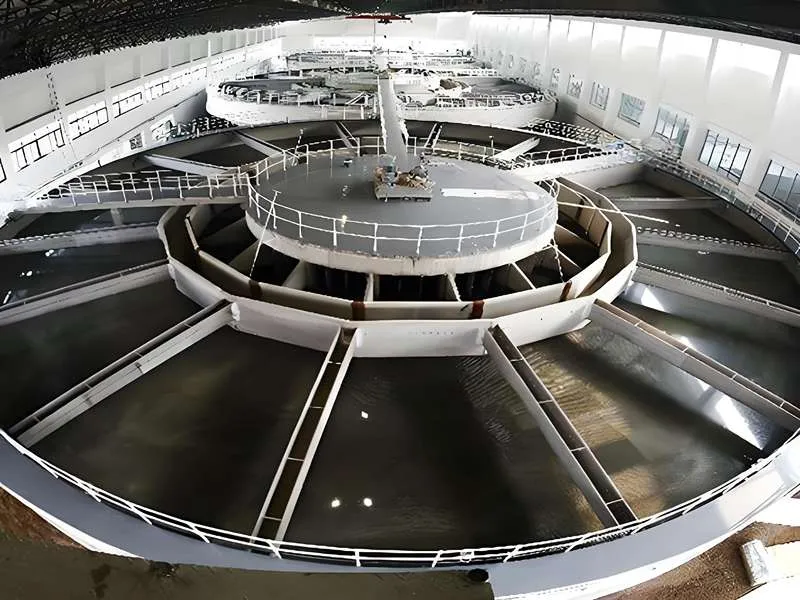
Lake water treatment in industrial and municipal settings ranges from 100 cubic metres per day to 10,000 cubic metres per day. Specific processes must be adjusted according to industry production requirements, necessitating a high degree of customisation.
How To Choose A Suitable Lake Water Treatment System?
My advice is to first test the raw water. Based on the lake water data and the specific intended use of the treated water (e.g., drinking, irrigation, domestic use, industrial process water), determine which pollutants need to be removed and the required level of purification.
For outdoor, commercial, and municipal applications, select water filtration processes and equipment according to the necessary purification level, such as portable ultrafiltration or reverse osmosis equipment and small to medium-sized commercial water purification systems. These generally meet the requirements for domestic drinking water.
For large-scale projects, consider the system’s stability, footprint, level of automation, operating costs, and ongoing maintenance. I strongly recommend choosing a professional water treatment company for customised, one-to-one solutions. Based on a comprehensive water quality analysis, we combine technologies such as sedimentation, softening, ultrafiltration or reverse osmosis, filtration, and disinfection to create the most suitable solution, ensuring long-term stable system operation and avoiding unnecessary risks and investments.
In conclusion
Lake water treatment solutions depend on water quality, water volume, and the client’s budget. In summary, lake water purification is a process that progresses from coarse to fine treatment.
If you require professional support in selecting a lake water treatment solution, please contact us for a free water quality assessment and solution consultation. FupengWater is dedicated to providing comprehensive lake water purification solutions for residential, commercial, and industrial sectors, adaptable to different usage scenarios and water usage scales, offering one-to-one customised support for various water quality issues. Simply provide a water quality report or key parameters (such as TDS, turbidity, pH, etc.), and we will tailor a suitable solution for you.
If you have any further questions, please contact us.
You might also like:
How to deal with salty well water?
What is deionized water? Can I drink it?
How to collect rainwater and make it safe to drink?