- 2025-12-24
How To Remove Radon From Well Water?
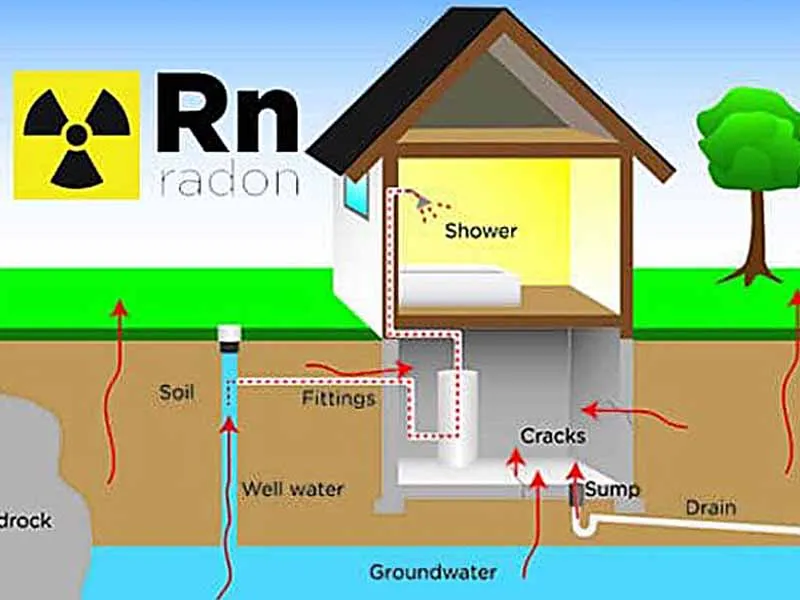
If well water contains radon gas, long-term use may pose a potential health risk. Radon is a water-soluble radioactive gas. Effective treatment technologies can reduce the radon content in well water.
Learn More:The Best Filtration System For Well Water
How Can Radon Be Removed From Water?
Currently, the main methods include aerators and activated carbon adsorption, both of which help release and remove radon gas from water. Below are four practical and efficient radon removal solutions suitable for various industries and households.
Aerator Radon Removal Device:
Installing aeration equipment (such as a gas-liquid separatoror aeration) before the well water enters the pipeline increases the contact area between water and air, promoting the dissipation of dissolved radon gas into the air. This method is simple to operate, highly efficient, and especially suitable for water sources with high radon concentrations. The structure of this method is also relatively simple.
Activated Carbon Filtration System:
Activated carbon, with its porous structure and strong adsorption properties, can effectively filter radon gas and its decay products from water. Connecting an activated carbon filter to the water supply and regularly replacing the filter cartridges will ensure the continued safety of your drinking water.
Dedicated Radon Removal Tanks:
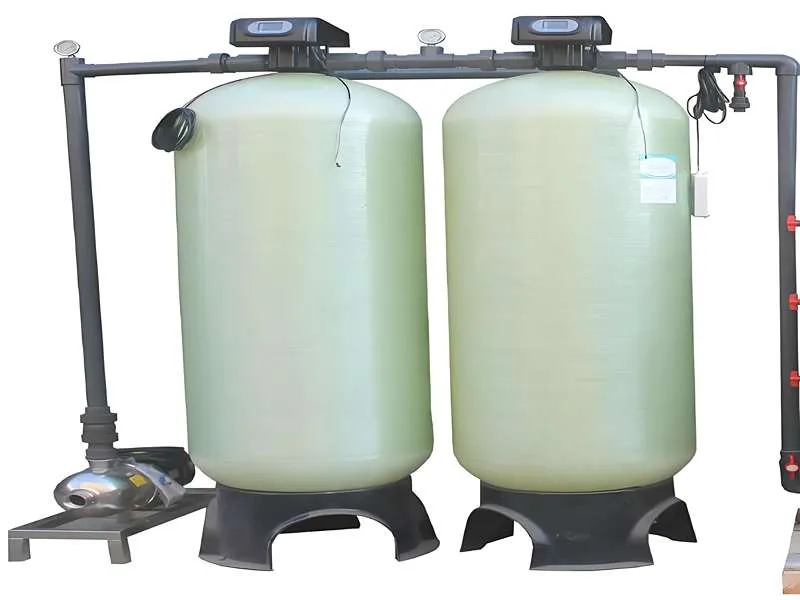
Some water purification tanks are specifically designed for well water, featuring a built-in aeration layer and radon venting holes. As water flows through the tank, radon gas is automatically and gradually released from the top, reducing the residual concentration of radon in the water and effectively mitigating nitrogen content.
Regular Testing And Comprehensive Purification
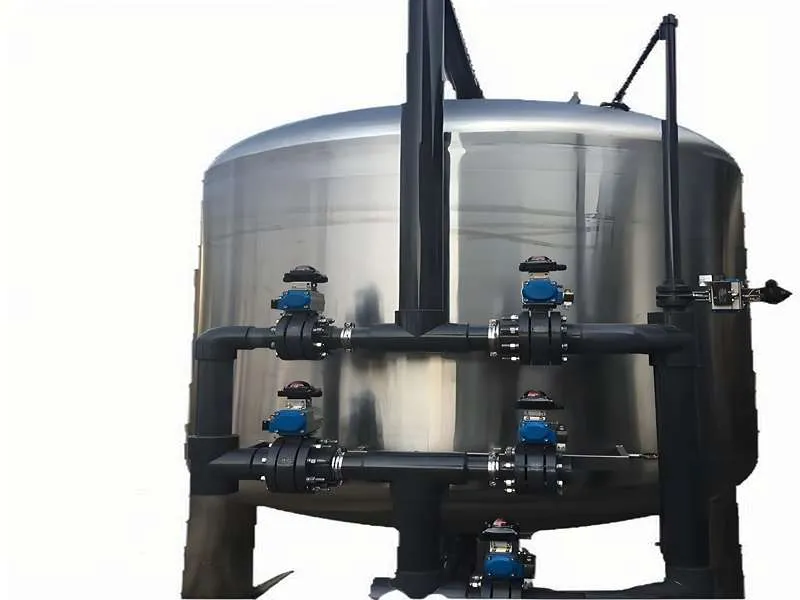
Regardless of the treatment method chosen, it is recommended to regularly test the radon content in your well water. As well water may contain radon, bacteria, sediment, and other contaminants, it is advisable to conduct water quality testing first to determine the radon content and other impurities. Then, combine this with a filtration system (such as a sand filter to remove particulate matter and activated carbon to adsorb organic matter) for comprehensive treatment.
Home Selection Recommendations
For most households, aeration devices and activated carbon filtration are cost-effective options. Aeration systems typically cost between $3,000 and $5,000, are easy to install, and are cost-effective. If the radon problem is severe or the water quality is complex, it is best to commission a professional organisation to conduct testing and customise a solution to ensure complete resolution of the potential hazard. By selecting suitable radon removal technologies and regularly maintaining the well water, radon levels can be effectively reduced, ensuring the safety and health of daily water use.
If you have any further questions, please contact us.