- 2025-12-30
Livestock Water Treatment
This article primarily discusses livestock water solutions, addressing the core question of livestock water requirements: "How much water do livestock need?" It also comprehensively explores strategies and technologies for livestock water treatment and poultry farm wastewater treatment to optimise livestock farm water management.
How Much Water Do Livestock Need? How Can Water Consumption Be Controlled?
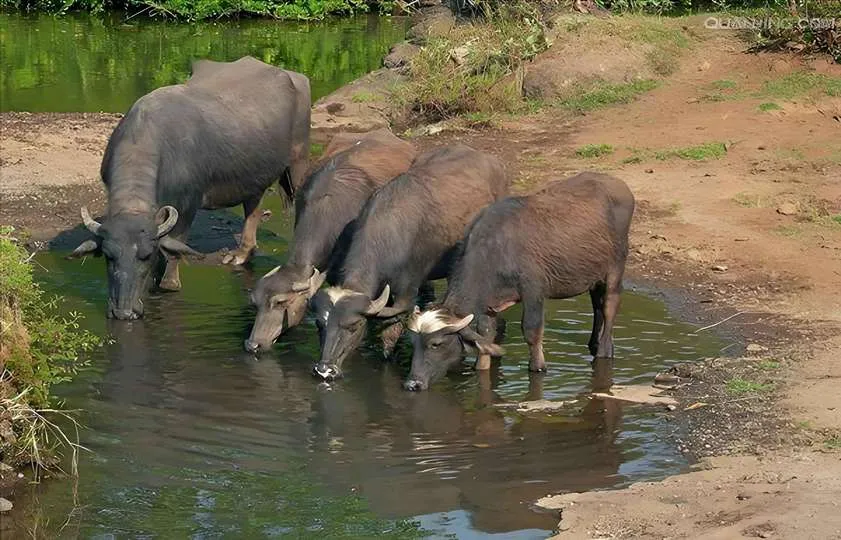
Livestock water consumption is a key parameter in livestock farm operations, with essential functions including drinking, heat dissipation, feed metabolism, and pen cleaning. An adult beef cattle weighing 500–600 kg drinks approximately 40 litres of water per day. Including pen flushing, the total water requirement for livestock can reach around 100 litres per animal. Pig farming, due to its high density, consumes a particularly large amount of water; for example, statistics show that daily water consumption for pig flushing in Taiwan exceeds 100 million litres.
How Can Water Consumption Be Controlled?
The main factors affecting water consumption include animal species and size, ambient temperature, and feeding and management methods. Effective livestock manure control solutions, such as using raised-floor housing for dry manure cleaning, can significantly reduce the amount of wastewater generated from flushing poultry or livestock manure at the source, which is the primary step in water conservation.
What Are The Four Types Of Livestock Water Treatment?
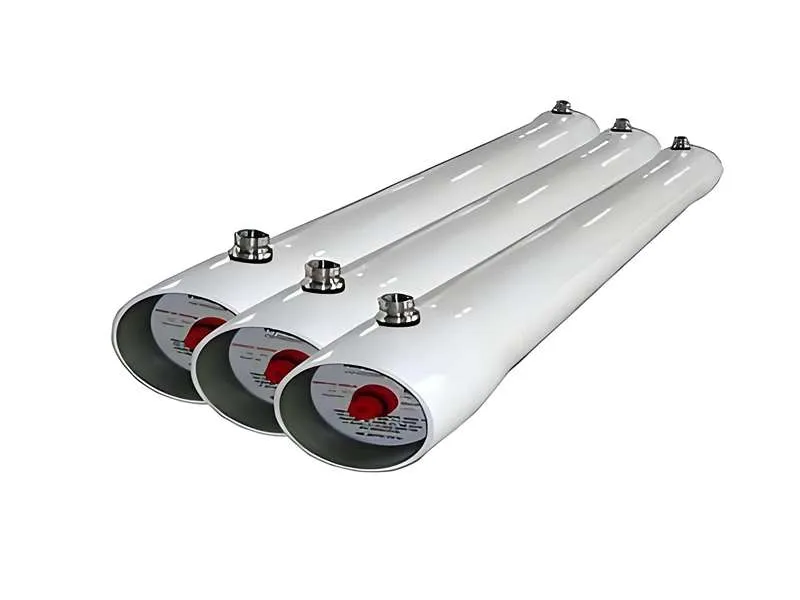
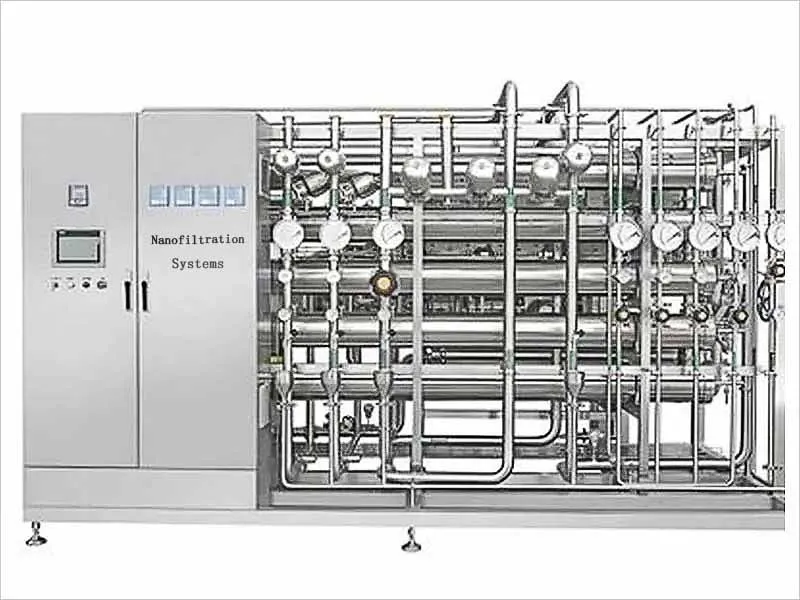
Water Source Purification: Different solutions are required for different water sources. For brackish water or hard tap water commonly found in poultry farms or livestock ranches, reverse osmosis (RO) or nanofiltration (NF) systems can be installed to effectively reduce total dissolved solids (TDS) and remove excess nitrates, heavy metals, and other harmful substances.
Surface Water: For surface water with a high risk of microbial contamination, a combination of ultrafiltration and ultraviolet (UV) sterilisation can be used. The ultrafiltration membrane removes suspended solids, colloids, and most bacteria and viruses, while UV light provides sterilisation.
Sanitary Dead Zones: In areas where water quality is acceptable but bacteria thrive in sanitary dead zones, UV sterilisation can be used for disinfection.
Chlorine Dioxide: As a highly efficient and broad-spectrum chemical disinfectant, chlorine dioxide can also be used for regular disinfection of water sources or pipe networks, effectively killing pathogenic microorganisms.
Livestock Water Tank Treatment: Even the cleanest water can become secondarily contaminated due to improper management of livestock water tanks (also known as livestock troughs). Therefore, regular cleaning and disinfection are essential. Disinfection can also be achieved by soaking or spraying with chlorine dioxide solution, effectively controlling the growth of algae, biofilm, and pathogens in the tank.
How Should Livestock Water Be Treated?
It is not only about water supply, but also about wastewater treatment. Wastewater treatment in poultry farms is closely linked to livestock manure management, with the aim of meeting discharge standards or enabling recycling.
Pretreatment and solid-liquid separation: Large particulate solids, such as livestock manure, are first separated from poultry wastewater using physical methods such as screens and sedimentation tanks. The solid fraction can be composted, while the liquid fraction proceeds to further treatment.
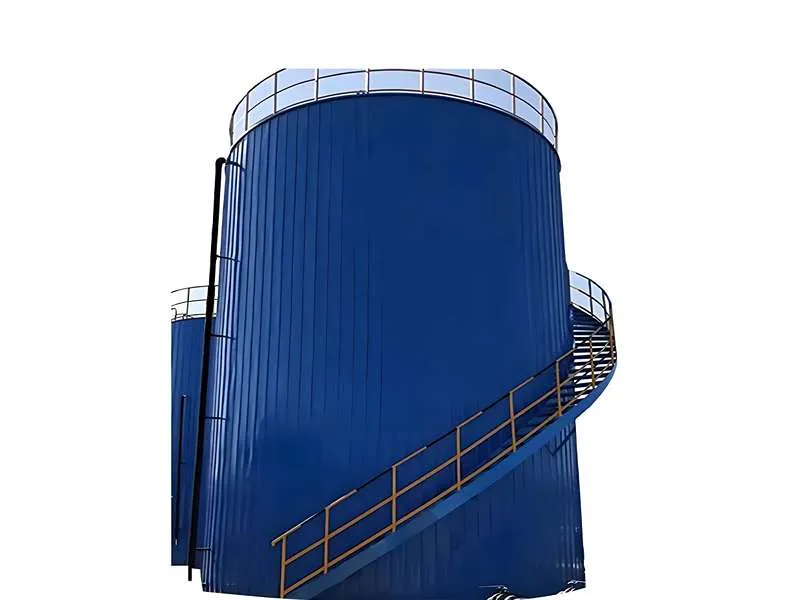
Biological treatment and advanced purification: The separated wastewater, which is rich in organic matter, must be degraded through anaerobic fermentation (such as biogas projects) and aerobic treatment (such as aeration tanks and biofilm methods). Specific microbial agents may be added during this process to enhance treatment efficiency. After biological treatment, if the effluent is to be used for flushing or irrigation, it can undergo further advanced purification through flocculation sedimentation, filtration (such as sand filtration), and disinfection (such as chlorine dioxide) to ensure the safety and hygiene of the reused water, thereby establishing a closed-loop water resource management system.
Livestock Water Solutions:
Brackish water reverse osmosis system
Seawater reverse osmosis system
Ultrafiltration
Livestock water treatment ensures animals have sufficient and safe drinking water while demonstrating environmental responsibility. By comprehensively applying various technologies, the goals of water conservation, water source purification, and recycling can be achieved.
If you have any further questions about marine bilge pumps, please feel free to contact us.