- 2025-12-10
What Is Filtration System For Well Water? How Does It Work?
In many areas that rely on groundwater as their primary water source,filtration system for well waters are the unseen guardians of safe and clean water for homes, agriculture, and even industry.
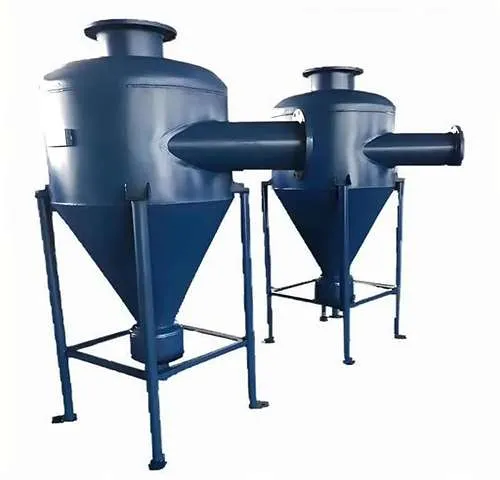
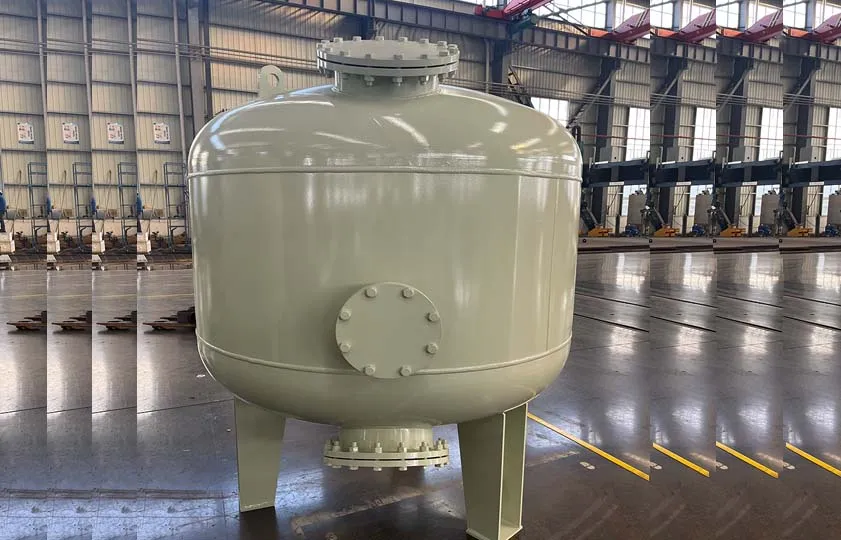
Hydrocyclone sand separator filter diagram
What Is Filtration System For Well Water?
In short, a filtration system for well water is an integrated water treatment device. Its core objective is to effectively remove suspended particles, harmful microorganisms, excess minerals, and chemical contaminants from well water through a series of physical, chemical, and biological processes, transforming potentially hazardous raw water into purified water that meets usage standards. Understanding the structure and working principles of this filtration system for well water is crucial for ensuring drinking water health and quality of life.
A typical filtration system for well water is not a single device, but a collaborative combination. Its front end usually includes a coarse filtration unit (such as a screen or sedimentation tank) to intercept large particles such as silt and rust; the core components, depending on the water quality, may include an activated carbon adsorption tank, an ion exchange resin tank (for softening water), a precision filter cartridge (such as PP cotton or an ultrafiltration membrane), and a critical disinfection unit (such as an ultraviolet germicidal lamp or a chemical disinfectant dosing device). These components are connected in a specific sequence to form a complete treatment chain. The design of the entire filtration system for well water relies heavily on detailed testing of the local well water quality to achieve targeted purification.
Learn More:The Best Filtration System For Well Water Solution
So, how exactly does this complex filtration system for well water work?
Its working principle can be summarized as a multi-barrier, step-by-step purification process. When well water is pumped into the filtration system for well water, it undergoes three stages:
The first stage:physical interception—begins. Water flows through filter media with progressively smaller pore sizes (such as sand filters and PP cotton filter cartridges), mechanically trapping and removing visible or minute suspended solids such as silt, iron and manganese deposits, and colloids. This step lays the foundation for subsequent advanced treatment, protecting the more sophisticated filter membranes or resins downstream.
The second stage: adsorption and ion exchange. Activated carbon filters, with their porous structure, powerfully adsorb residual chlorine, discoloration, odors, some organic pollutants, and pesticide residues from the water. If the well water hardness (calcium and magnesium ion content) is too high, when the water flows through the ion exchange resin tank, the hardness ions in the water are replaced by sodium or hydrogen ions on the resin, thus significantly reducing the ability to form scale and softening the water. The core principle of this stage is to utilize the material's efficient adsorption and exchange capabilities to solve chemical problems dissolved in the water.
The third stage: To ensure microbial safety, the final barrier of the filtration system for well water's working principle—disinfection—is activated. Currently, the most widely used technology is ultraviolet (UV) disinfection. When water flows through a specially designed UV lamp, specific wavelengths of ultraviolet light can destroy the DNA/RNA structure of bacteria, viruses, and other microorganisms, rendering them unable to reproduce, thus achieving instantaneous, chemical-residue-free sterilization. In some cases, a small amount of food-grade disinfectant (such as sodium hypochlorite) may be used for continuous protection. After this series of unit treatments based on different working principles, the well water, which may have originally contained various impurities, becomes clear, safe, and usable purified water.
How to Choose a Well Water Filtration System?
Water Quality Testing: First, test the well water to understand the main contaminants (iron, manganese, hardness, bacteria, etc.).
Suitable Configurations: Basic Needs (Removal of sediment and odor): Sedimentation + Activated Carbon.
Deep Purification (Drinking Water): Sedimentation + Activated Carbon + Reverse Osmosis + UV.
Scale Removal: Add a water softener.
Consider Flow Rate: Choose a system that meets your family's water consumption needs (pre-filter, whole-house system, etc.).
In summary, the filtration system for well water is a technical solution built upon multiple purification working principles. From coarse filtration to fine filtration, from adsorption to disinfection, each step carries a specific purification mission. Its efficient and stable operation directly depends on an accurate understanding of local water quality characteristics and the rational application of the working principles of each unit. Investing in and maintaining a suitable filtration system for well water is not only about protecting water-using equipment (such as pipes and water heaters), but also a long-term commitment to your own and your family's health; it silently safeguards the purity of every drop of water from source to tap.
If you have any further questions, please contact us.
You might also like:
How to remove iron from well water? 6 easy steps!