All about water...

Image
  • 2025-11-06

How to Remove VOCs from Water

What are VOCs?Volatile organic compounds (VOCs) are a class of carbon-containing compounds that evaporate easily from water into the air at normal temperatures and pressures. This is why the smell of substances such as gasoline…

Learn more
Image
  • 2025-11-06

Leachate treatment

Leachate characteristics and treatment difficultiesFormation mechanism:Rainwater infiltration (accounting for ≥70%) and waste biochemical reaction liquidTypical pollutant concentrations:COD: 5,000-60,000 mg/LNH₃-N: 500-3,000 m…

Learn more
Image
  • 2025-11-06

Removing zinc from water

Characteristics and risk control of zincSource characteristics:Zinc content in galvanizing process wastewater: 50-200mg/LPeak zinc concentration in metal processing wastewater: ≥500mg/LHealth threshold:Drinking water zinc limit…

Learn more
Image
  • 2025-11-06

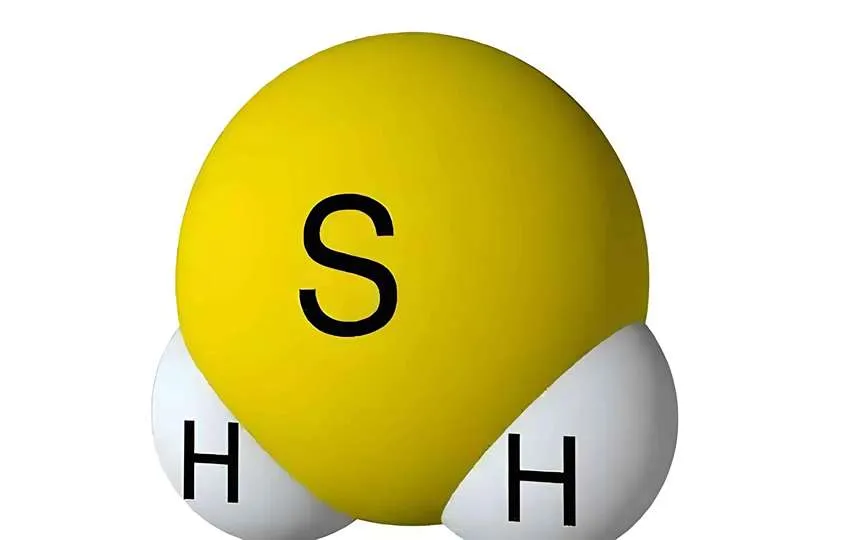
Hydrogen sulfide emission reduction

Characteristics and hazards of hydrogen sulfideGeneration mechanism: Sulfate-reducing bacteria (SRB) decompose organic sulfide in an anaerobic environmentTypical scenarios:Concentration in oilfield produced water reaches 50-200m…

Learn more
Image
  • 2025-11-06

Application of LSI in water treatment

The Langelier Saturation Index (LSI) is a set of water quality parameters that indicate the corrosiveness of the feed water, thus ensuring the stability of the water quality. The LSI helps determine the cause of occasional chang…

Learn more
Image
  • 2025-11-06

The difference between water softener and nanofiltration

Essential technical differencesCore functions of softening water systemSelectively remove calcium and magnesium ions (Ca⁺/Mg⁺) through ion exchange resin, with a hardness removal rate of over 99%, but it cannot intercept pollu…

Learn more
12345678...13

Copyright © 2026 fupengwater.com Corporation,All Rights Reserved. Hebei Fupeng Environmental Protection Technology Group Co., LTD